


Winning the Ramadan season starts with understanding the heart of the month. For brands, success demands a shift from transactional marketing towards emotional architecture: building experiences rooted in trust, relevance and cultural understanding.
The seasonal surge is already gathering momentum. In Saudi Arabia alone, spending spiked by 34.7% in the week leading up to Ramadan last year, hitting $4.6 billion.
To help you navigate this peak, here are the key insights to guide your strategy for Ramadan 1447 AH / 2026.
Ramadan 101: Key business takeaways from past years
In this section, we break down the critical drivers of campaign success: from identifying the highest-spending windows of the month to understanding when and how shoppers are most likely to engage.
When are shoppers most active across the month?
Timing is a critical driver of success during the holy month.
Data from Tamara shows that order volumes increased by up to 60% in Saudi Arabia and the UAE during the first week of Ramadan 2025. Google data further highlights Ramadan’s strong promotional impact, with 86% of consumers across MENA viewing it as an ideal time for discounts.
This momentum peaks toward the end of the holy month, as retail search activity and consumer spending rise sharply, with search interest increasing by 21% in the UAE and 45% in Saudi Arabia.
Does this mean you should focus all your campaigns only on these periods? Not necessarily. Instead, brands should maintain a balanced strategy throughout Ramadan, combining engaging content with sales-driven messaging to stay relevant and drive results.
What are the most active times of the day?
Once you identify the most important days, the next step is understanding what time of the day is perfect for shopping.
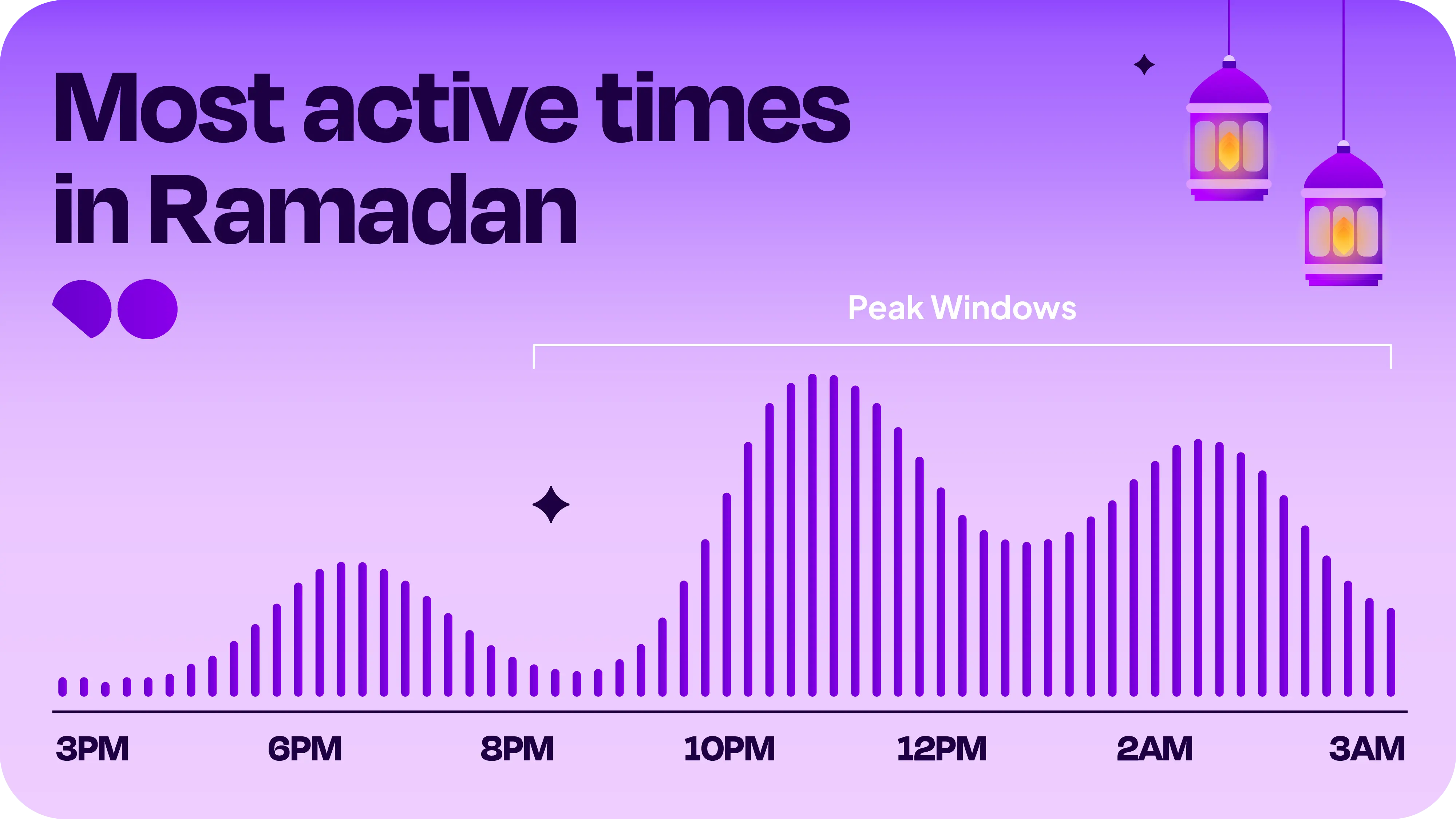
Consumer insights show that engagement rises significantly after Iftar, with 48% of users more likely to interact with ads. Shopping activity also increases late in the evening after Taraweeh prayers (38%) and early in the morning before fasting begins (24%). The period between 10 PM and 2 AM is especially important.
This “late-night economy” becomes a major driver of sales during Ramadan, particularly among younger audiences.
Which drivers influence shopper decisions the most?
Social commerce plays a major role during Ramadan. In fact, 61% of consumers in KSA & UAE now shop directly through Instagram and TikTok during Ramadan, with 1 in 4 making a purchase based on influencer trust.
Collaborating with creators is highly effective, as 54% of people prefer creators to explain major events, making creator-led content a powerful way to build trust.
Value remains a key driver
Ramadan is a content-heavy period, but the real question is: what type of content do shoppers actually value? During the holy month, consumers are drawn to content that reflects spirituality and shared cultural sentiments.
Beyond Ramadan themes, broader values such as sustainability strongly influence purchasing decisions. For example, 40% of consumers in Saudi Arabia care about beauty brands that avoid harmful ingredients and additives, while 41% of shoppers in the UAE prefer food and grocery brands that reduce longer supply routes.
Aligning your messaging with similar values can help build stronger connections with your audience.
Ramadan 2026: Key opportunities you shouldn’t miss
Ramadan 2026 presents a unique set of opportunities that businesses should plan for early. This year brings a strong combination of cultural moments that will directly influence consumer behavior.
A powerful mix of cultural sentiments
In the period leading up to and during the first week of Ramadan, shoppers enter Ramadan preparation mode. This phase is marked by high demand for groceries, home décor, and prayer essentials. At the same time, heritage celebration mode, linked to Saudi Founding Day, drives interest in traditional attire and cultural events.
The “Super Weekend” effect
The overlap of these two moments creates a festive vibe, amplified with the “Super Weekend” from Friday, February 20to Sunday, February 22. This period represents a high-impact window for brands to capture increased spending across different categories.
The right moment for flexible payments
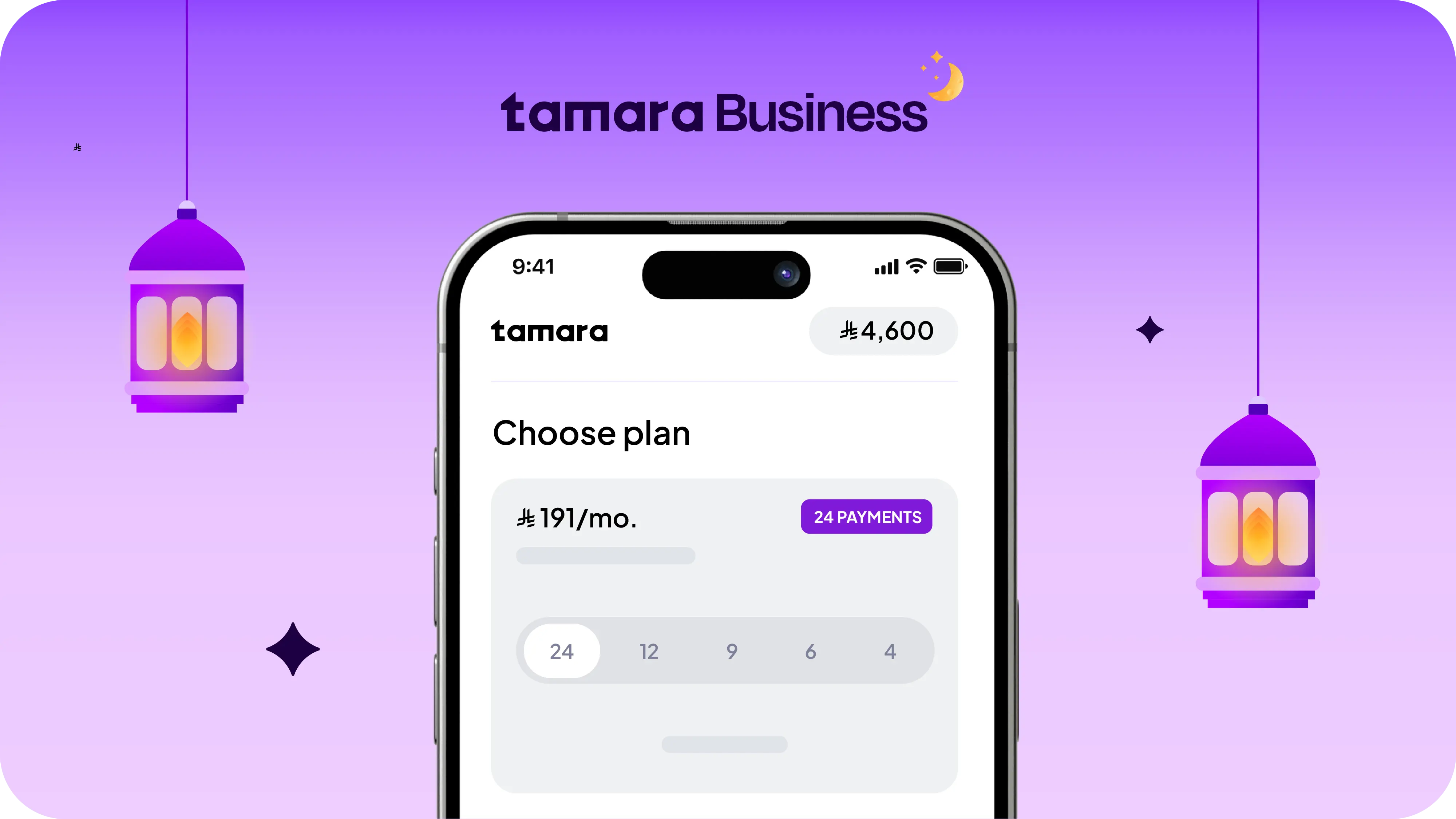
As one of the busiest shopping periods of the year, Ramadan is the perfect time to offer flexible payment options. BNPL solutions like Tamara encourage shoppers to upgrade their carts and complete purchases with confidence, especially for higher-value items.
By aligning peak demand with preferred payment methods, businesses can unlock higher conversions and increased order values through a smooth checkout and flexible plans of up to 24 months.